
How Car Graphics for Your Windows Work
Car graphics have an interesting history that dates back to the mid-20th century when businesses first used simple signwriting to promote their services on vehicles. Over time, the aesthetic and functional dimensions of these graphics evolved, moving from basic vinyl lettering to complex designs covering entire vehicles. Initially, the focus was on practicality, ensuring that essential business information was visible to potential customers. The popularity of vehicle branding spread as companies recognized the advertising value of a fleet of vehicles sporting coordinated branding. This led to the development of new materials and methods tailored specifically for automotive advertising.
The humble beginnings of window graphics saw businesses hand-painting logos and text onto vehicle windows and bodies. This method, while effective for its time, was limited by the artist's skill and the time-consuming nature of the work. With advancements in printing technology, however, hand-painted graphics gave way to machine-cut vinyl that allowed for more precision and consistency. This change marked the beginning of mass-produced decals and graphics, making it feasible for more businesses and individuals to adopt them. As technology progressed, these methods became more sophisticated, paving the way for digitally printed graphics that are common today.
Advances in Printing and Cutting Technology
Gradually, the demand for more striking and high-resolution car graphics grew, especially as businesses sought to differentiate themselves in increasingly competitive markets. These demands spurred the development of new techniques such as screen printing and thermal transfer printing, which allowed for greater detail and color vibrancy. As technology advanced further, digital printing revolutionized the production of car graphics, allowing for intricate full-color images and photographs to be printed directly onto vinyl films. This leap in technology not only improved the visual appeal of window graphics but also expanded their usage from purely commercial to personal customization and artistic display.
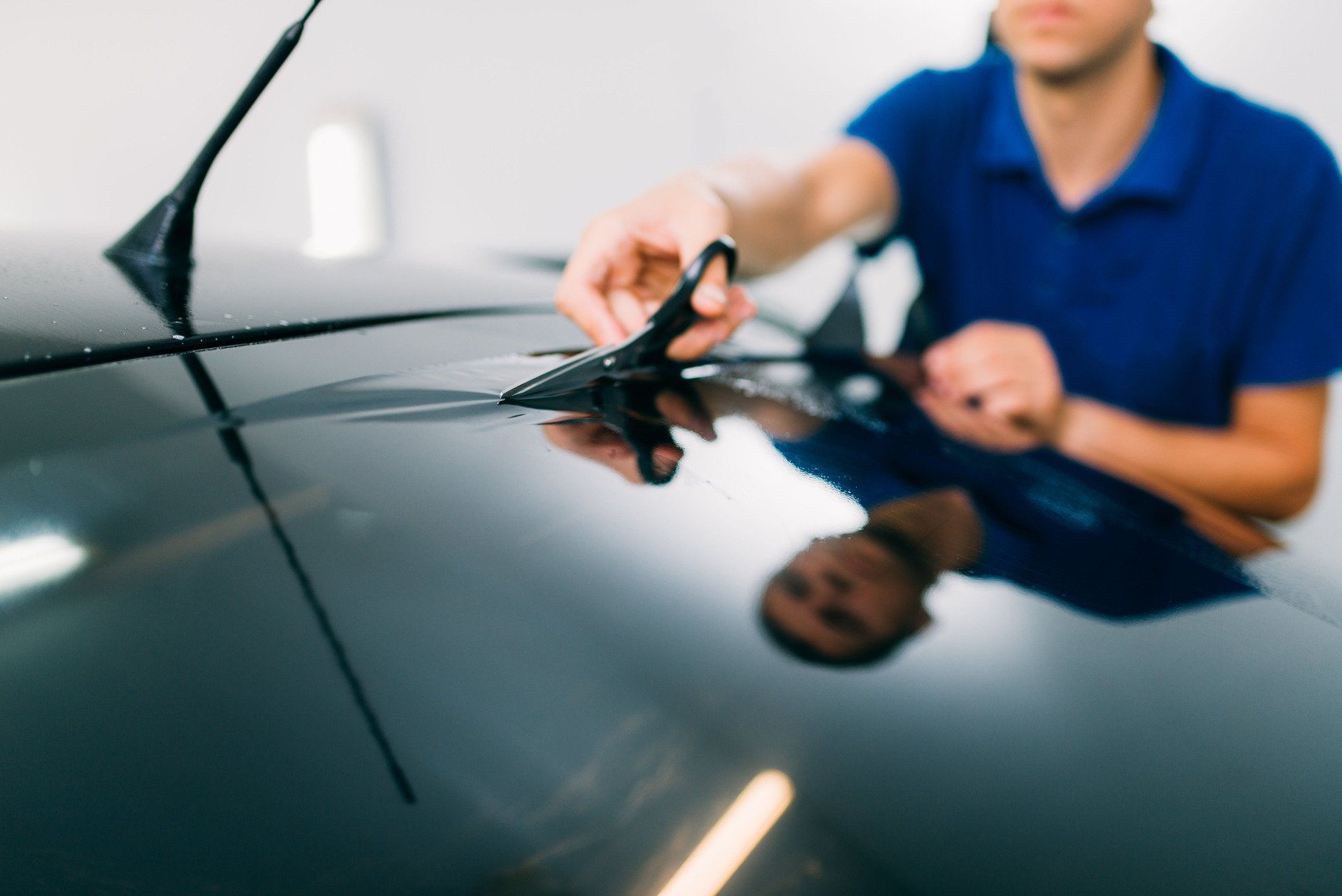
Technological innovations have significantly transformed the car window graphics industry, especially with the advancement of digital printing and cutting technologies. Where once a hand-applied decal was the norm, today’s graphics are created using state-of-the-art software and machinery that allow for precise and intricate designs. Digital printing has enabled full-color, high-resolution images to be created efficiently and at low cost. Moreover, plotter cutters have revolutionized the preparation process by allowing finely detailed cuts to be made in vinyl material, creating intricate designs with ease.
The Role of Materials in Car Window Graphics
The introduction of new materials has also played a significant role in the evolution of car graphics. Modern films are designed to withstand environmental stressors such as UV rays, wind, and rain, ensuring that the graphics maintain their vibrancy and integrity over time. For instance, perforated window films are advanced materials that allow visibility from the inside while presenting graphics to the outside. This advancement is significant in balancing practicality with aesthetics, a vital factor for both safety and design. As materials improve, the durability and applicability of graphics across various vehicle types have likewise expanded.
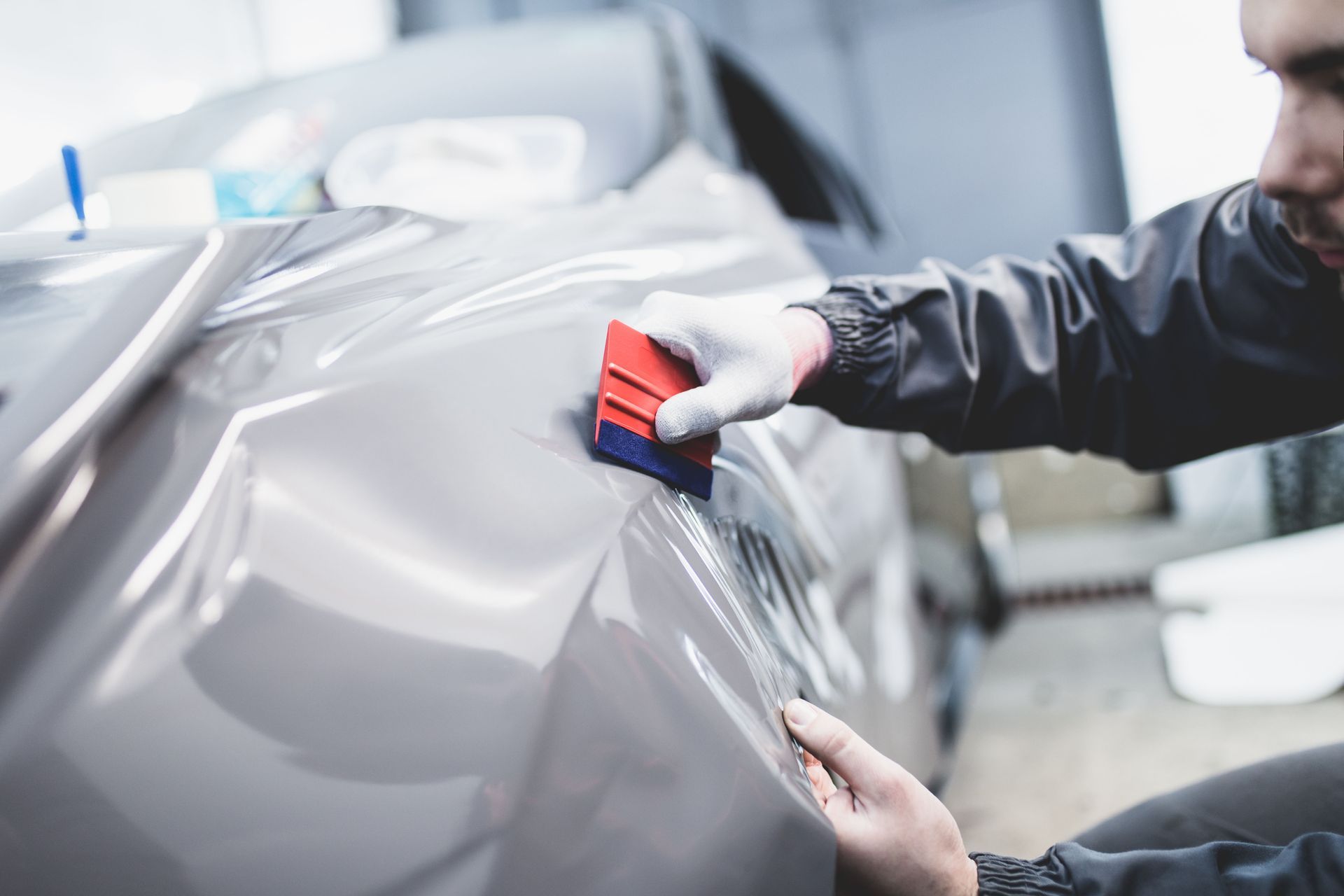
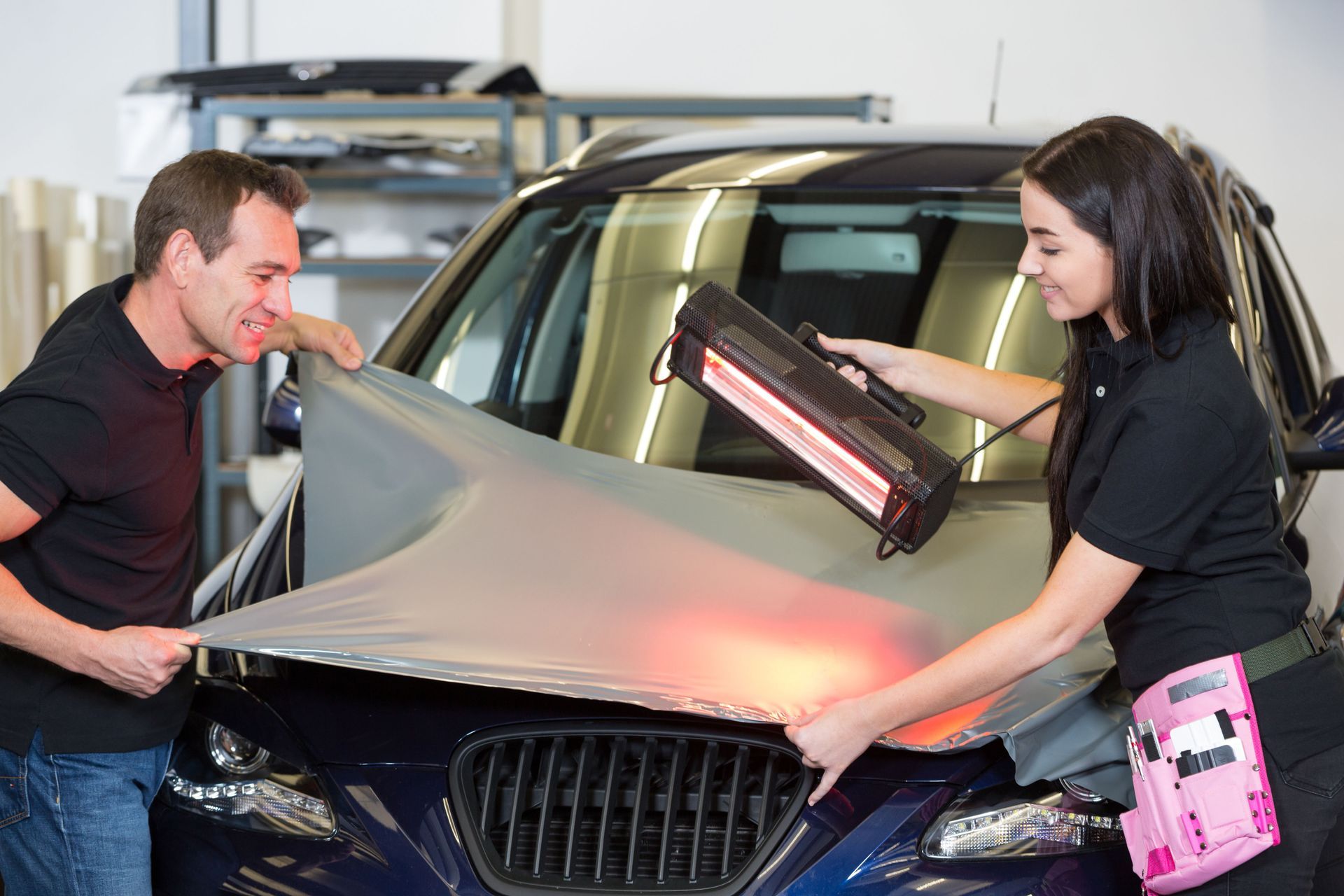
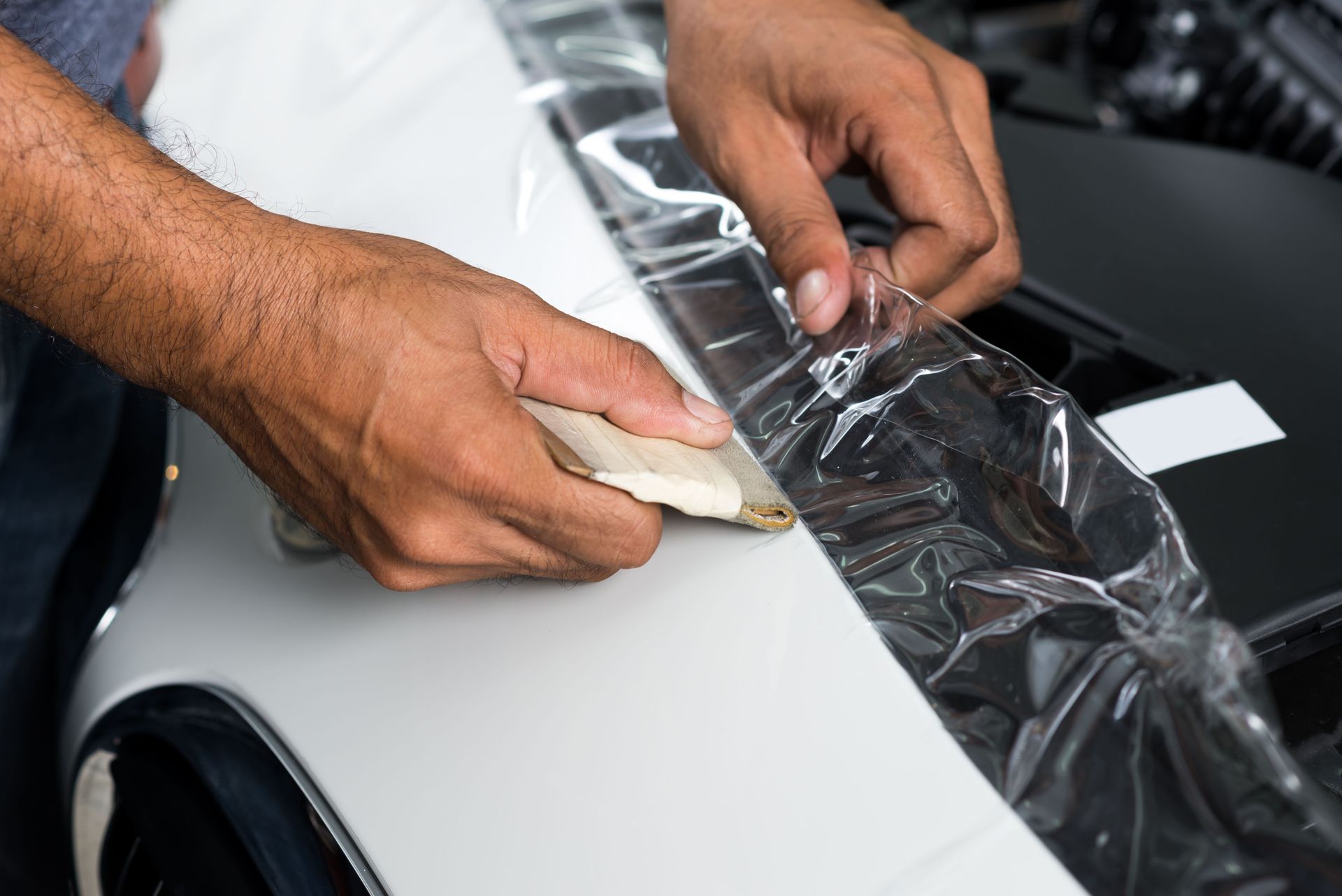
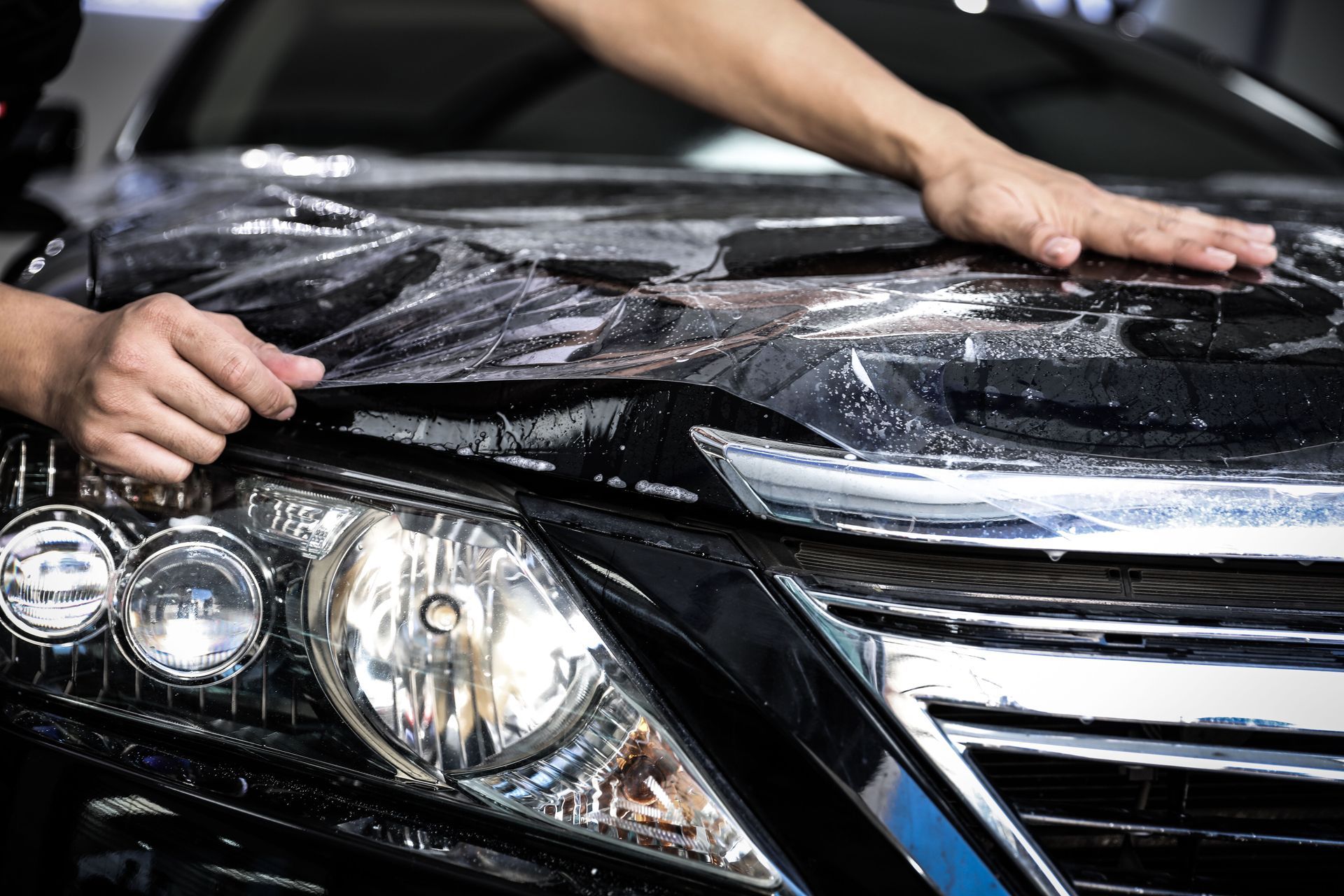
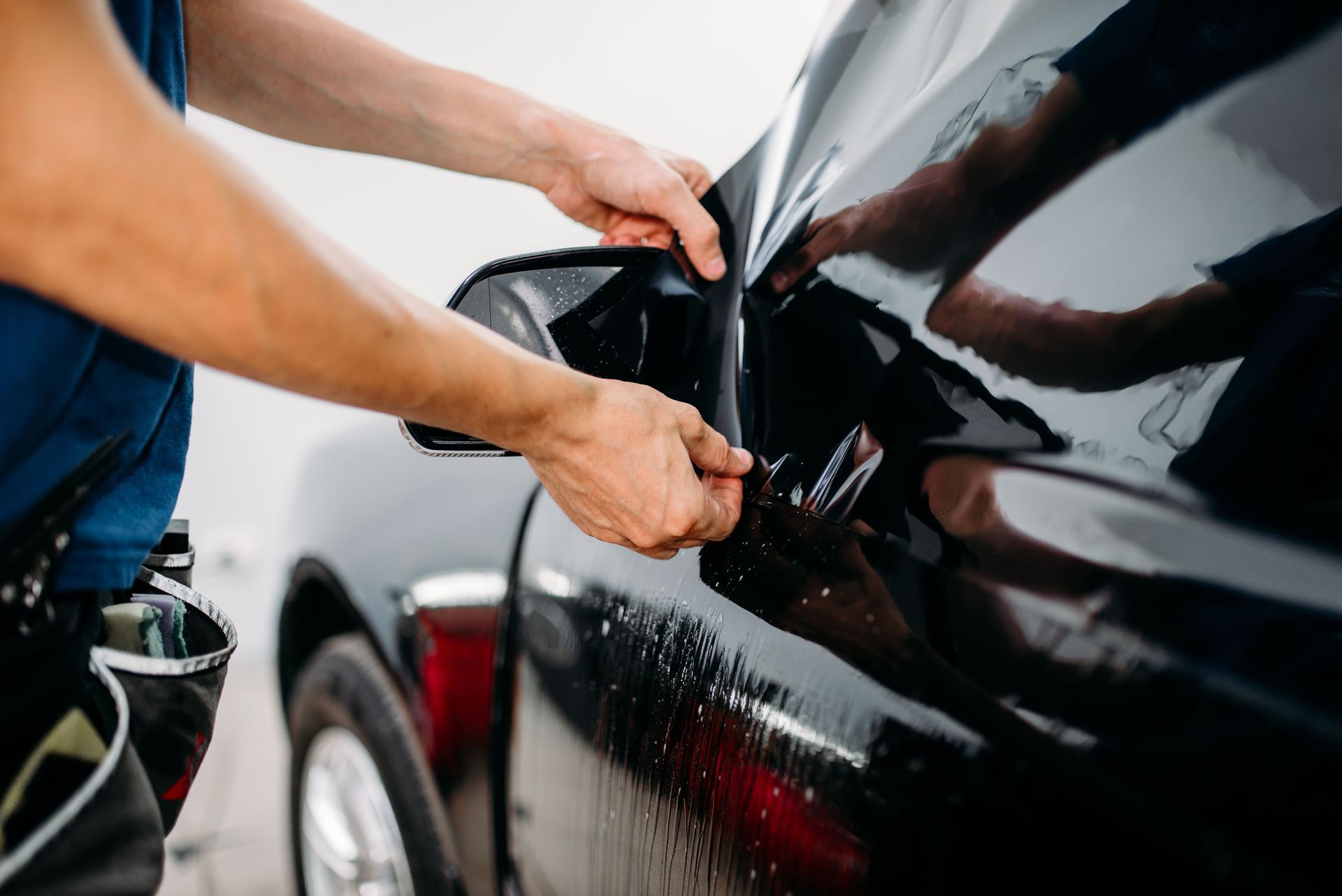
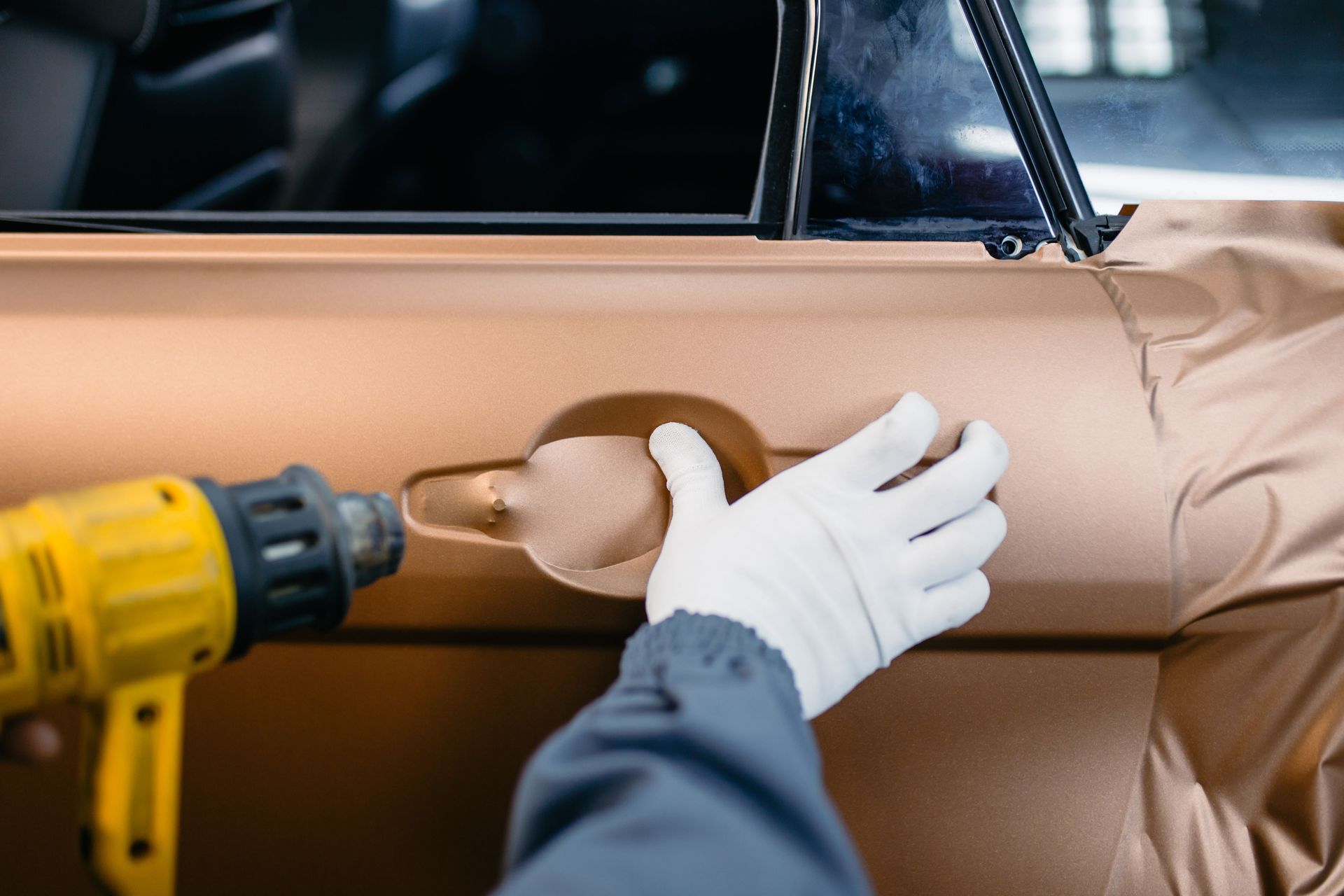
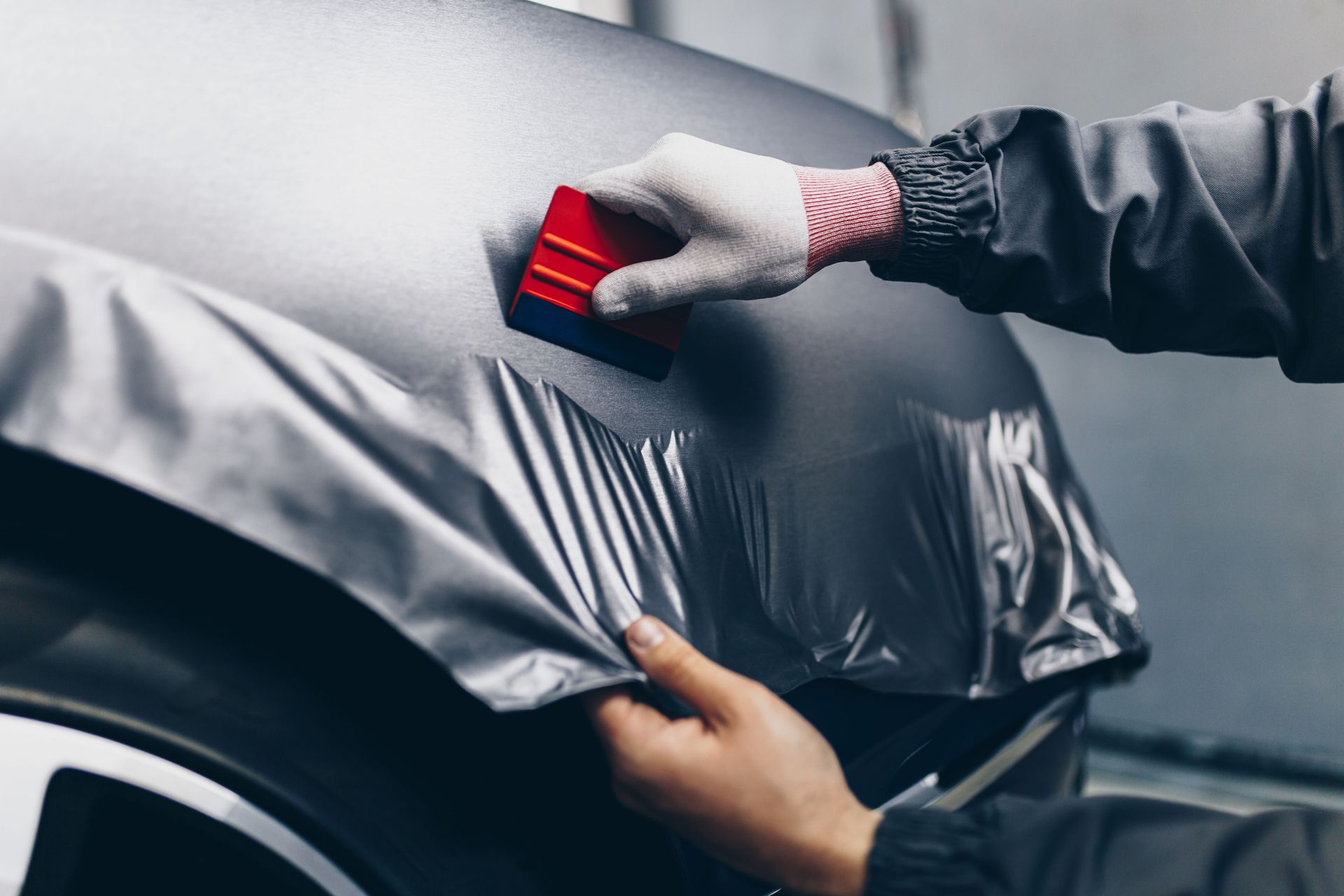
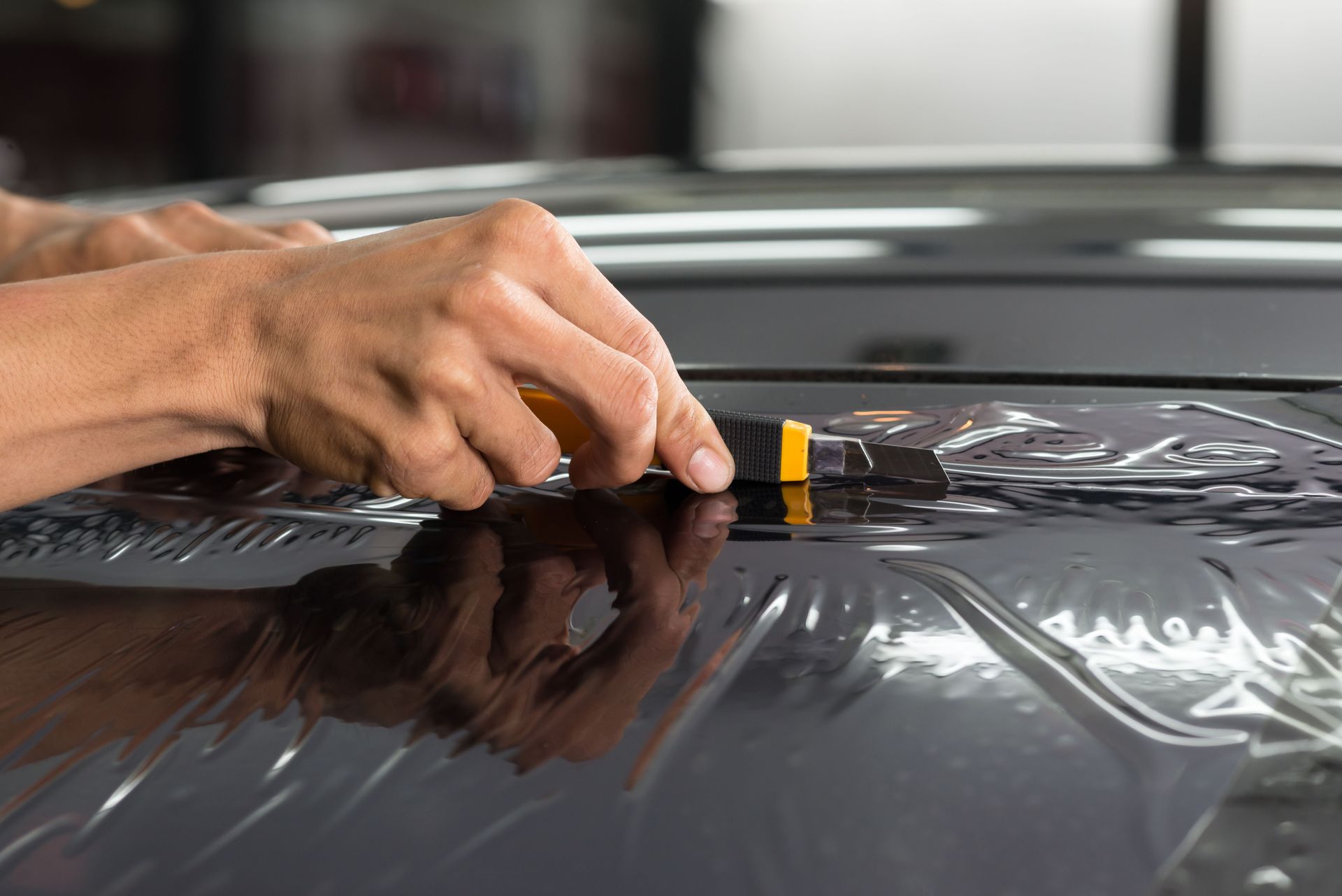
Applications and installation techniques have advanced as well, with innovative methods such as the wet and dry application processes. Tools such as heat guns and squeegees have emerged to help fit graphics seamlessly over complex curves and contours of modern vehicles. Additionally, the development of self-adhesive materials has made it easier to apply and remove graphics without damaging surfaces. These advancements have not only made installations more efficient but have also opened up new opportunities for creative expression.
Market Demand and Emerging Trends
The demand for car window graphics has continued to grow, driven by the numerous benefits they offer in terms of marketing and personal expression. Businesses, in particular, have recognized the cost-effectiveness of vehicle graphics, utilizing them as mobile advertising tools. According to Grand View Research, the global market for automotive wraps was valued at $4.76 billion in 2021, demonstrating the significant investment made by businesses in this form of advertising. Personalization has also fueled demand, with consumers seeking to brand their vehicles for personal use or to express individuality.
Trends within the car graphics sector often mimic broader societal and technological changes. For instance, the rising interest in eco-friendly and sustainable products has prompted an increase in the use of biodegradable materials for car graphics. The adoption of thoughtful design that considers environmental impact is becoming increasingly prominent. Another key trend is the use of augmented reality to design and visualize graphics before production, enhancing the design process. Simultaneously, as color printing and material technology improve, designers are enabled to experiment with more vibrant and varying color palettes, reflecting contemporary design preferences.
Legal and Safety Considerations
Despite their benefits, there are important legal and safety considerations associated with car window graphics. Regulations can vary widely depending on the jurisdiction, and they often focus on ensuring that graphics do not interfere with driver visibility. Many regions have specific laws that govern the placement and size of decals on windows, especially windshields and front side windows. Failure to comply with these regulations can lead to fines or required removal of noncompliant graphics. While the intention is to ensure safety on the road, these rules require designers and installers to stay informed and ensure that all graphics are compliant.
Apart from visibility issues, there may be restrictions on the type of content that can be displayed, particularly with regard to graphic or explicit imagery. Some areas regulate graphics for aesthetic or community safety reasons, prohibiting designs that are deemed inappropriate or distracting to other drivers. When planning or installing car window graphics, it is also essential to assess their impact on vehicle insurance and warranties. Consulting with insurance providers or vehicle manufacturers before applying graphics can preempt any potential legal or financial complications.
Understanding the Design Process
The design process for car window graphics begins with the crucial stages of conceptualization and ideation, setting the creative foundation for the project. This initial phase involves brainstorming and gathering inspiration to form a cohesive design vision. Designers work closely with clients to understand their branding objectives, personal tastes, and any specific messages they wish to convey through the graphics. This collaborative effort ensures that the final design aligns with the client's goals and the vehicle's intended function, whether for commercial promotion or personal expression.
During ideation, designers also consider various factors such as color palettes, vehicle shape, and the role of surrounding elements like logos and text. Once concepts are refined, advanced design software is used to create mockups that visualize the finished product on the vehicle. Clients can provide feedback and request revisions, ensuring the final design meets expectations. This iterative process helps create window graphics that are both visually stunning and functional, balancing creativity with practicality.
Car window graphics have evolved from hand-painted signs to highly sophisticated digital wraps, shaped by innovations in printing, materials, and design processes. They now serve as powerful tools for branding, personalization, and artistic expression while also raising important considerations around safety, legality, and sustainability. With demand on the rise, businesses and individuals alike are recognizing the value of these moving billboards for capturing attention and making lasting impressions. According to Grand View Research, the global automotive wraps market reflects the increasing reliance on these tools for modern marketing.
If you’re ready to transform your vehicle with bold, durable, and creative designs, trust Killer Custom Wraps to bring your vision to life. From concept to installation, their expertise ensures your graphics stand out on the road and deliver the impact you want.
Share On: